Here is where we are:
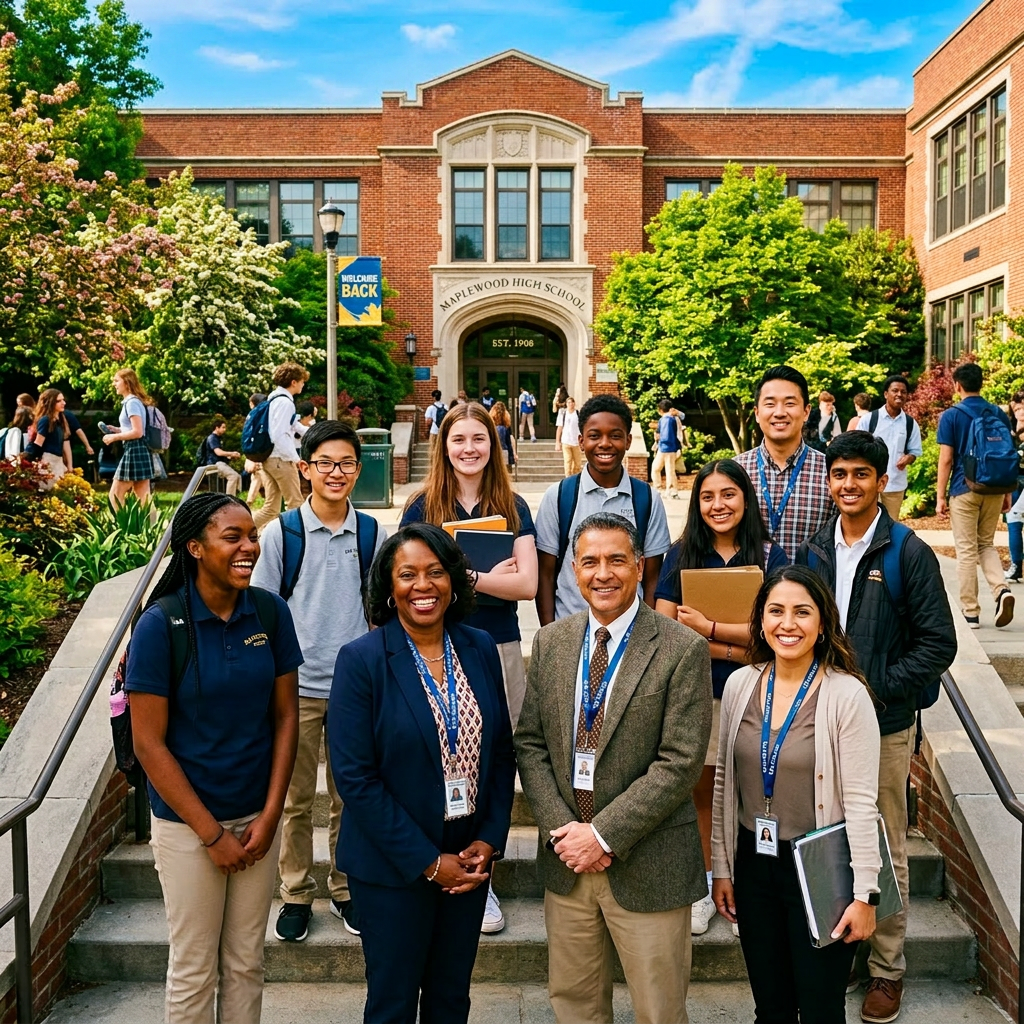
Far too many of our students across the nation attend schools where their success is not the primary factor driving the delivery of education they receive. Many of our schools may be clean, sterile, and even contain some educational materials and resources, however, if there is a lack of heart, wisdom, care, kindness,leadership and nurturing for all who attend the school, then the students, staff, education leaders and broader community will suffer. We need to listen, provide strategic support and promote the positive development of our educators who are the very people who are entrusted to take care of the children of our society who will shape our collective betterment of our culture, and impact the children of tomorrow.
Not offering this support could lead to an uneducated populace, which could then lead to the undoing of a civilized society. It is incumbent upon each of us to do what we can to support our school systems, be they public or private, to ensure that each child is provided with a supportive, engaging, connected environment where they can grow and develop in peace. Making schools better places to be for all involved must be an absolute priority for our world to see the improvement we all want so desperately.
Some may believe that it is too costly to invest in improving our schools, however, I believe that the cost would be more expensive for us to sit back, wring our hands, worry about the future, and do nothing to make schools into better places for all.
In fact, good schools do not get better due to specific programs, targeted products, or expansively designed and honed curriculum. They get better when teams of people, including teachers, support personnel, parents and family members, school administrators and students, yes students, are supported, engaged and connected and receive guided facilitation to align their work collaboratively toward collective successes and more importantly, while having fun in the process.
Much work has been accomplished on building Professional Learning Communities (PLC) for the educational staff of a school. These PLCs, which are designed to ensure that the professionals are connected and engaging with each other to advance the craft of teaching, and they can be a powerful tool in teacher development, yet, I believe that we should go a step further, by ensuring that all support staff, parents and family members and students are folded into and fully included in the process to ensure that our broad school communities have the ability to be included into the exponential energy that is created to enhance the opportunities for success for all.
I have seen and been part of firsthand successes for students, staff and communities when all peoples involved are working in such a manner to connect, engage and create systems of support for students.
Take concrete actions to be part of the solution!
- Connect: Find out who the principal is of the schools in your neighborhood and go meet them and thank them. Take a moment to send them an introductory email or letter telling them that you are interested in learning about the amazing things that they are working on for students of the school. Share your interest in their process for engaging students, staff, parents and family members, and community participants. Ask them about the types of activities they plan to hold, special celebrations they hold during the year, and let them know that you value the important work they are doing on behalf of the students, staff and broader school community. Then determine if you have skills, expertise, or resources that might be beneficial to the school and consider offering those supports to the principal to support students and staff.
- Engage: Take action to show up at your local schools when there are days where they have invited the public to attend. Or, see what their volunteer practices and policies are to determine if you might be able to visit a specific classroom to assist a teacher, provide reading to students in the library, or simply participate in an approved beautification activity on campus. People often think that they are not welcome onto schools, and while there are precautions that must be taken to ensure the safety of all students and staff, there are ample opportunities for members of the public to engage on school campuses in a way that is supportive and enriching. These types of opportunities to engage on campus with students, under teacher supervision, can go a long way to inform members of the school community that people care, want to be involved, and are there to assist as you are able.
- Support: Learn about the amazing work that is occurring in the classrooms, around campus, and across the local school district, and then speak up positively to all who will listen about what you find interesting and important. The more the real success and nurturing stories of our schools are told, shared, and even posted on social media, the more opportunities others have to see the significant value that is being brought to students and across our broader communities daily. People often tend to believe the one negative story they hear, without truly doing some work to see the tremendous positive attributes that our schools bring forward to students and the broader community. Your support, whether it is given through speaking with a friend, business owner, or crowd of a thousand can significantly expand the positivity that our educators and students need. This positivity can launch new ideas for others, support innovation on our campuses, and provide momentum for success that our schools desperately need.
It might seem frustrating at times to wonder if one person’s actions can positively influence a school community, and I can tell you it can. I recall being an elementary principal where I worked hard to lead a 1,200 student multi-track campus that provided services to students in a year-round school system. The most successful years we had was when we, the students, their parents and family members, the support and teaching staff, school leaders, school neighbors, and local business were united in our vision, our mission, and we all were aligning our efforts in building the assets and resources of each child. I can honestly say that the academic, behavioral and emotional health for all of our 1,200 children seemed to flourish with each positive action that was celebrated by all.
Truly, the collective power of the group was a driving force in that success, and could be replicated with the commitment and courageous belief of a community with very little additional expense required. Support leaders to do the important work that they are trained to do.
Robert A. Martinez, Ed.D.
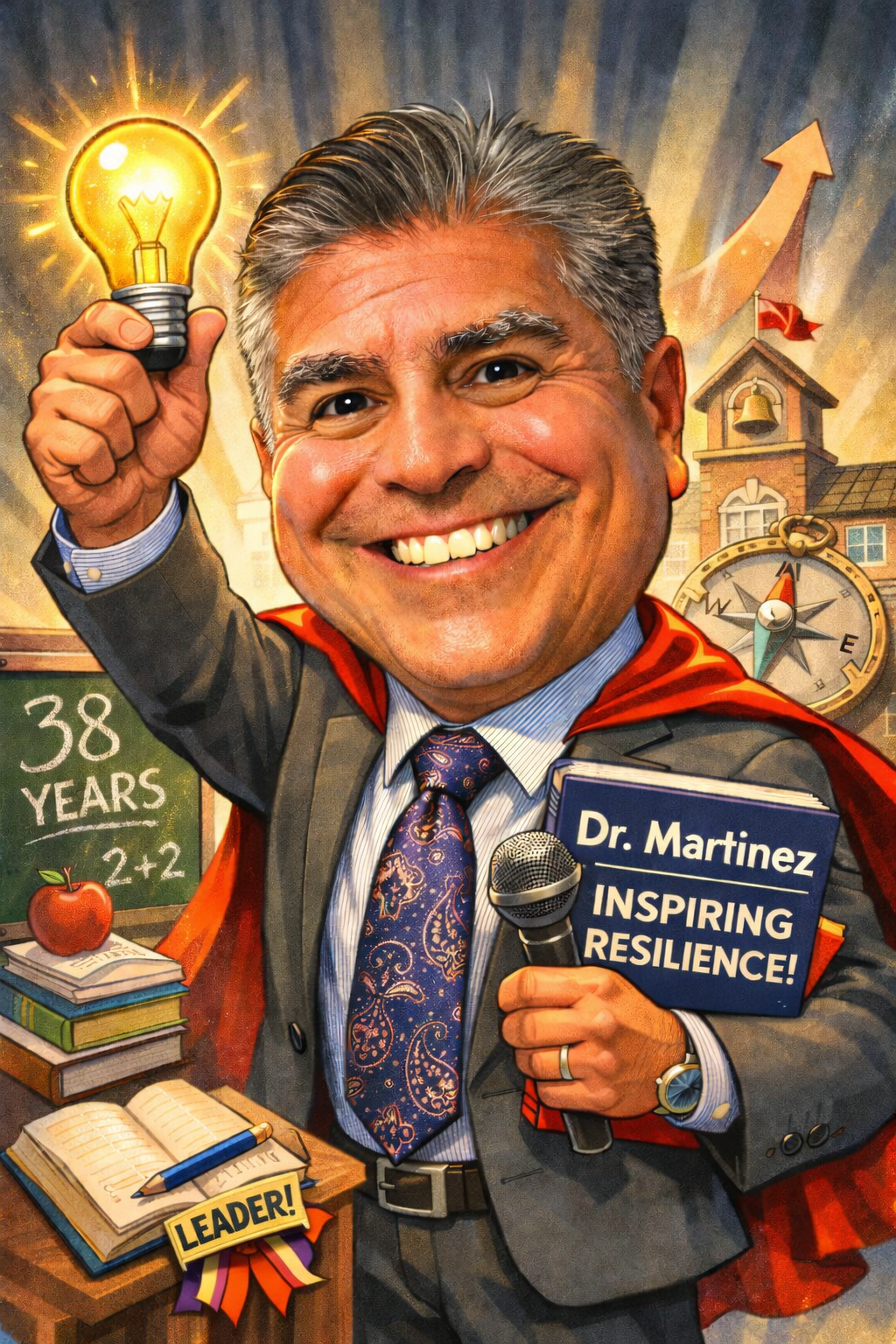
Dr. Rob Martinez, also known as “Resiliency Guy” is a retired Superintendent. He completed 38 years of service to students, their families, and school district employees. He has authored several books, including, “Recipes for Resilience, Nurturing Perseverance in Students and Educators” and “The Story of Sparkle and Shine, Never Forget, 2nd Edition” which are both available on Amazon. He often speaks on the topic of resilience and provides resilient leadership development training to educators across the nation. He and his wife Nancy, a retired teacher, have raised four sons and are now grandparents to two. Dr. Martinez is frequently quoted as saying, “Let the lives we help others live, be the measure of our success.” He is available for Key Notes, speaking Engagements and Professional Development Training and can be reached at ResiliencyGuy@gmail.com.


Leave a Reply