By Dr. Robert A. Martinez — Resiliency Guy
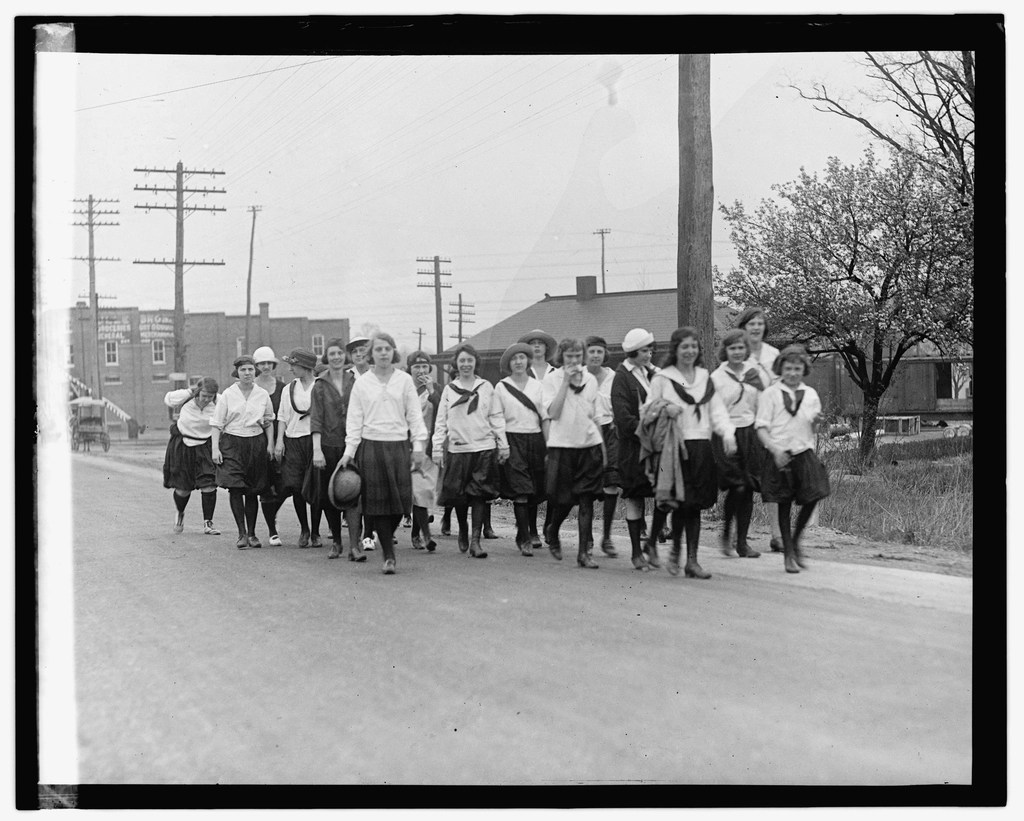
As we close out Women’s History Month, I find myself reflecting not just on the stories we tell—but on the impact those stories have on who our students believe they can become.
Because at its core, education is not just about information.
It’s about identity.
It’s about possibility.
And ultimately—it’s about building resilience for the various paths that children will choose.
Why Women’s History Still Matters
From my perspective as a former school psychologist, principal, and superintendent, one truth has remained constant:
When students see themselves reflected in the story, everything changes.
History becomes more than dates and events—it becomes personal.
It becomes a mirror that says, “You belong here.”
And it becomes a window into what is possible.
For our young women—and for all students—Women’s History Month reminds us that leadership, courage, innovation, and perseverance have always been present… even when they were not always recognized.
And that recognition matters.
Because when students don’t see themselves in the story, they may begin to believe they were never meant to be part of it.
Lessons from the Past: The Power of Opportunity
When we look back at early youth organizations like the Camp Fire Girls, we see something powerful:
They created space.
At a time when opportunities for girls were limited, these programs provided structured ways for girls to lead, serve, and grow. They taught skills. They fostered a sense of confidence. They emphasized character and community.
But they also reflected the limits of their time. Rather than supporting the choices that girls may have made they were directive and often placed girls in predetermined routes that were seen as proper for the day.
And that’s the lesson.
Progress is rarely perfect—but it is always possible.
Those programs planted seeds.
Today, it is our responsibility to help those seeds grow into something more inclusive, more empowering, and more expansive than ever before where all children can choose their own destinies.
Resilience Is Built Through Access
One of the greatest misconceptions in education is that leadership—and resilience—are traits that students either have or don’t. Or, that we can sprinkle resilience on everyone’s head and it will take root.
That couldn’t be further from the truth.
Resilience is developed through opportunity.
It grows when students:
- Are given opportunities and chances to try
- Are supported through numerous attempts, failure, and supported in their perseverance
- Are seen, respected, valued, and encouraged for the unique people they are
And most importantly—when they are invited into and welcomed to be in spaces they might not enter on their own.
Access builds confidence.
Confidence builds resilience.
Resilience builds leaders.
Redefining Leadership in Today’s Schools
If we are serious about developing resilient students, we must redefine what leadership looks like.
Leadership is not just:
- The student body president
- The loudest voice in the room
- The most visible role on campus
Leadership is also:
- The student who shows kindness when no one is watching
- The student who lifts others up
- The student who finds the courage to try again
When we expand the definition of leadership, we expand who gets to see themselves as a leader.
And that is where transformation begins.
Creating Intentional Pathways for Every Student
If there is one lesson history teaches us, it is this:
Opportunity must be intentionally designed.
We cannot wait for students to step forward—we must create environments that invite them in, support them along the way, and are persistent in encouragement for growth.
This means:
- Embedding leadership opportunities into the school day—not just after school
- Actively reaching out to students who might not identify as leaders themselves.
- Teaching leadership as a skill that can be learned and developed
- Ensuring representation so every student can see themselves reflected
- Connecting leadership to service and purpose
Because leadership is not about position.
It is about impact.
From Reflection to Action
Women’s History Month is not just a time to look back.
It is a call to move forward.
It challenges us to ask:
- Whose stories are we telling?
- Whose voices are we elevating?
- And who is still waiting to be seen?
As educators, we have the power to shape those answers.
Final Word
When we honor the stories of women—when we elevate voices that have too often been overlooked—we do more than teach history.
We build resilience for all who are part of the lesson.
We remind students that strength comes in many forms.
That leadership has many faces.
And that their story matters.
Because in the end, the goal is not just for students to learn history…
It is for them to see themselves within it—and to realize that they have the power to shape what comes next. I’ll say it again, for them to realize they have the power to shape what comes next!
I often say, Let the lives we help others live be the measure of our success.
And when we create spaces where every student can lead, grow, and believe in their potential…
We don’t just change outcomes.
We change lives.
— Dr. Rob Martinez
Resiliency Guy
#RecipesForResilience
Find Dr. Rob’s books, “Recipes for Resilience, Nurturing Perseverance in Students and Educators” and “The Story of Sparkle and Shine, Never Forget, 2nd Edition” on Amazon.com
 Recipes For Resilience
Leave a comment